
Your Copilot is probably making things up - MCP can help fix that
There is a question I have been hearing a lot recently and it usually goes something like this: we have Copilot, so why isn't it actually doing anything useful?
It is a fair question - Copilot is a capable tool running the latest OpenAI models but capability and connectivity are two very different things. An AI assistant that cannot reach your live systems, your GIS databases or your operational data is a very fancy filing cabinet. It can tell you a great deal about what it already knows but can't tell you which of your cable routes are due for inspection this quarter or which planning applications landed in your area this week because that information lives somewhere it cannot reach.
This is the problem that the Model Context Protocol (MCP) has set out to solve and with Safe Software's recent announcement that MCP support is coming (well its already in beta) to the FME Platform, organisations working with complex spatial and enterprise data now have a very practical path to address it.
What MCP actually does (and why it matters more than the acronym suggests)
TLDR; MCP is a standard that lets AI agents communicate with external systems in a structured, secure and managed way.
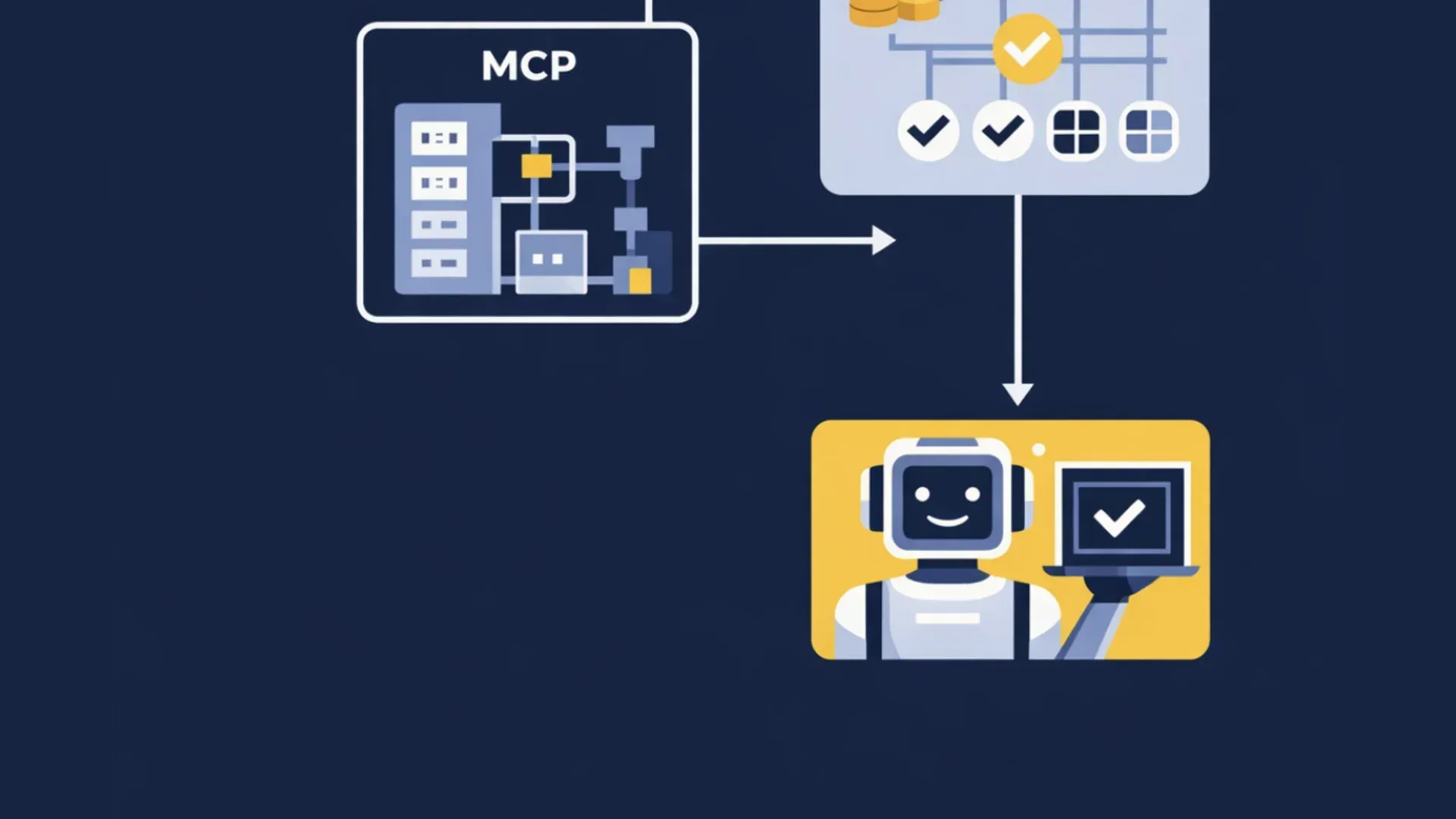
Rather than hard-wiring a direct connection from your AI tool to each individual data source (which can be considerable effort to setup) MCP acts as a broker. It tells the agent what tools are available, what they do and how to call them without exposing more than it should.
The slightly longer version: think of it as the difference between handing someone the keys to your entire building versus issuing them a keycard with precise access permissions. The result for the end user feels the same. For nyone who cares about data security it's obviously a fundamentally different proposition.
One of the more elegant aspects of how MCP works in practice is what gets called progressive discovery. Rather than loading every possible tool into an agent's context at once, which balloons memory usage and degrades performance, the agent dynamically finds and loads only what it needs at a given moment. This stops the context window being consumed unnecessarily.
Where FME comes in
Safe Software announced MCP support for the FME Platform back in March and the rollout is already under way. FME 2026.1 introduced the MCPCaller Transformer allowing FME to invoke tools from any MCP-enabled system directly within a workflow. FME Flow's ability to act as an MCP Server is what we are most excited about allowing you to expose your existing FME workflows as secure, callable tools and will be available in FME 2026.2.
For anyone who has been building data pipelines in FME for years, this is a very exciting set of tools. The workflows you have already built such as data validation, format transformation, spatial joins and network analysis can now be surfaced as AI-ready tools without rebuilding them from scratch. FME becomes the trusted layer between your AI agent and your data but hidden from the end users through an increasingly familiar Copilot interface. The MCP running on FME stays the place where governance and transformation logic lives.
Back to Copilot
Out of the box, Copilot is good at summarising documents, drafting emails and answering questions about things it was trained on. Ask it something specific about your operational data, such as maintenance schedules, asset condition, spatial extents or live network status and it will either confess ignorance or more likely make up a plausible-sounding answer.
With FME Flow acting as an MCP server, you can expose workflows as tools that Copilot can call. Ask Copilot which of your water mains are flagged for inspection and instead of guessing it triggers an FME workflow that queries your live GIS, applies the relevant logic and returns a grounded answer. The response your colleagues receive is based on your actual data.
We have been working with a range of clients in many domains on this kind of data integration challenge. The technical rules based logic pieces are already there - what MCP and FME's new capabilities change is the assembly, reducing what used to require bespoke integration work into something far more accessible, structured and repeatable.
A note of realism
MCP isnt a magic switch, in testing getting Copilot to reliably call the right FME workflow (let alone know the current date!) with the right parameters and in the right context requires careful design and testing. The tool definitions are crucial and the FME workflows behind them need to be solid. The building blocks are there and there are already some nice examples Safe Software have shared in their on-demand webinar covering exactly this, and the FME Community AI Interest Group is worth a look.
If you already have Microsoft Copilot and building agents, then start to think about how FME's new and upcoming capabilities can help create agents which go the extra mile.
If you are curious about what this could look like for your environment, ping us to have a conversation. The best ones usually start with the question you have already been asking: why isn't our AI actually doing anything useful? Work backwards from there.


